

This method provides transparency to key stakeholders so that they can see where the money goes and why. Financial professionals typically use reports like balance sheets and debt-to-equity ratios to help companies determine borrowed capital amounts. Financial professionals calculate inventory turnover to determine how long it takes inventory to turn into revenue. This process helps companies manage inventory and keep the costs of goods and services set compared to incoming revenue. Within managerial accounting, several methods may be used to manage an organization’s finances. Managerial accountants may use one or more of these types depending on the organization’s size, industry, financial objectives, and financial status.
Cost Accounting Explained: Definitions, Types, and Practical Examples
Current costs of operation and goods or services are then compared to these standard costs. Account receivables are the invoices or credits which a company expects to be remunerated by its debtors. The proper management of account receivables is an important form of managerial accounting. External parties need to be protected from the incompetence of a firm as they are the main users of financial accounting information. Because of this, financial accounting procedures are required to fulfill certain standards set by regulatory bodies. The analysis would consider the cost of goods sold (COGS) and the revenue generated from sales and determine if the business can fund this price increase or if a cheaper alternative is better.

Budgeting and forecasting
Having a certification can offer many benefits in the managerial accounting field. This includes increased job opportunities, higher annual earnings, and distinction within your industry. The majority of managerial accounting jobs will require at least a bachelor’s degree in a field such as finance, business, or accounting. If you enroll in https://www.bookstime.com/ a bachelor’s degree program, it’s helpful to take electives that can better prepare you for a career in managerial accounting. To get a job in managerial accounting, you’ll need to earn your bachelor’s degree, gain professional experience, and consider certification.
Performance Evaluation
You can use managerial accounting to make your business grow smarter, stronger, and more profitable. By understanding costs, forecasting trends, and tracking performance, you gain control. The best thing is that it’s not only practical but also adaptable to your unique needs. Managerial accounting isn’t just for big corporations; even small businesses, startups, and nonprofits can benefit too. It’s about understanding managerial accounting definition your financial story—not only to survive but also to thrive. When examining financial information for a company, two distinct accounting branches serve fundamentally different purposes.
- Perhaps most importantly, these accounting branches differ in their level of detail.
- Managerial accounting can be adapted to suit different industries, helping businesses to capitalize on their unique strengths and address specific challenges.
- Meanwhile, the accounting industry has endured dramatic shifts since the collapse of Enron and WorldCom, causing a renewed focus on ethical behavior in accounting.
- Ethical lapses can undermine the integrity of financial information and erode trust within the organization.
- Strategic planning heavily relies on insights derived from managerial accounting.
- They could use customer surveys to evaluate the perceived effect on the company’s reputation as a result of implementing this one-year plan.
- By examining income statements, balance sheets, and cash flow reports, managers gain a clearer picture of the company’s financial position.
Cost-volume-profit (CVP) analysis
Optimizations can then be made to reduce the possibility or impact of excessive inventory. Calculating the inventory turnover ratio helps companies to better determine the price of products and make better decisions on the production, marketing, and purchase of new inventory. Proper cash flow analysis gives managerial accountants and administrators a chance to optimize the flow of cash within a company. Marginal costing also helps businesses determine the best use of raw materials and the optimal sales mix for products. It helps to measure the amount of contribution a product has to the overall cost and profit of a company.

Data gathering & record maintenance
- The managerial accountants analyze historical sales data, market trends, and economic forecasts to project future sales and expenses.
- These activities guide effective resource allocation and help set achievable targets across departments.
- Managerial accountants also implement larger strategic initiatives, such as total quality management (TQM) and enterprise resource planning (ERP).
- It equips managers with valuable insights to drive strategies and improve operational efficiency.
In summary, managerial accounting serves as a vital tool for managers in understanding and utilizing financial information to make informed decisions. It differs from financial accounting by focusing on internal use, flexibility, and a broader range of information sources. By providing relevant and timely information, managerial accounting empowers managers to drive the success of the Suspense Account organization and achieve its strategic objectives. Like management accounting turns raw financial information value, internal purposes decisions useful are sales, cost, production, and trends on the market. They involve planning future financial performance based on historical data.
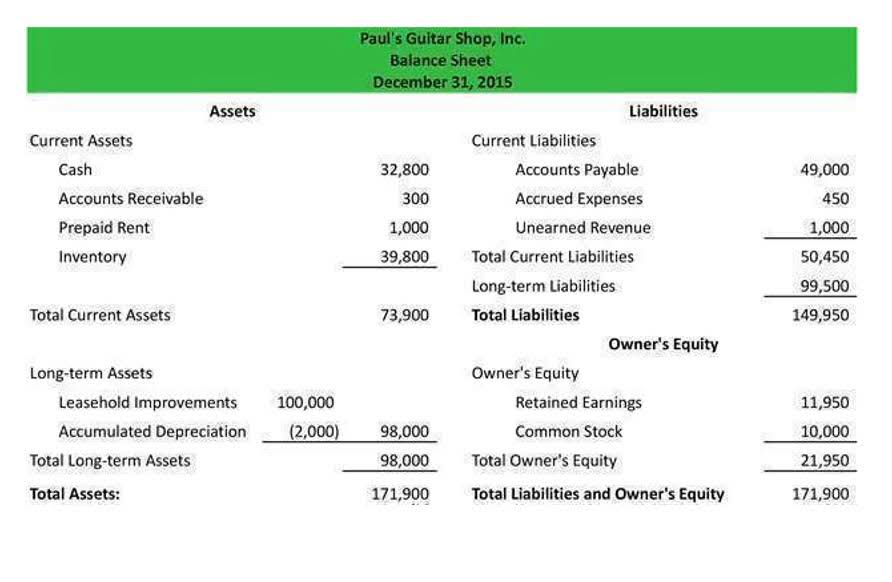
Mark incorporates all expected costs for the upcoming year, such as rent, salaries, and cost of ingredients, and projects expected income from sales (revenue). He then updates the budget monthly by creating rolling forecasts for revenue and expenses. The benefits of budgeting, if done properly, are paramount for every organization, so this is an important managerial accounting task.